
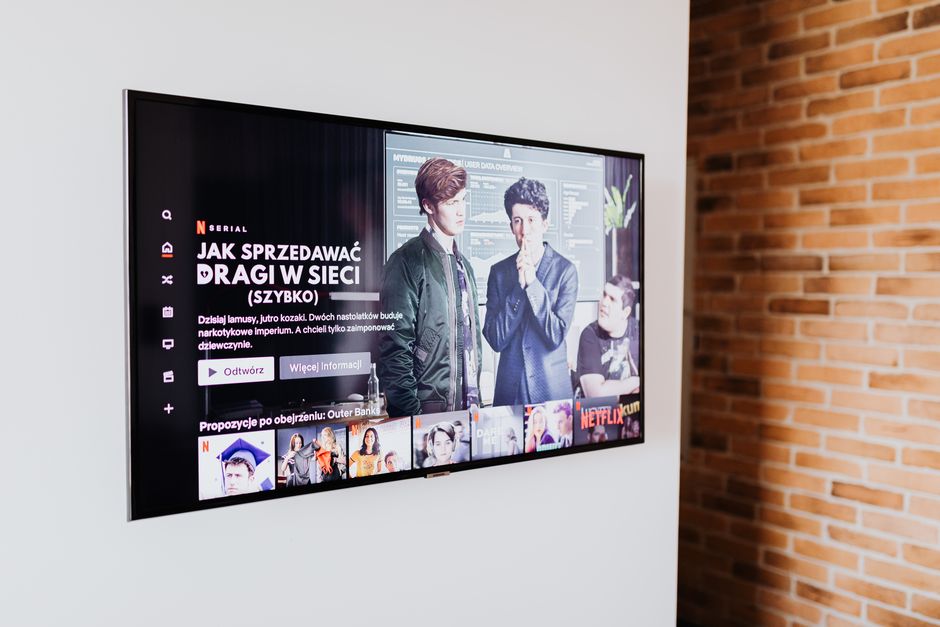
For years, Connected TV (CTV) monetization relied on blunt contextual signals. Ad decision servers (ADS) mapped inventory using basic series metadata—placing commercials based on show titles, network classifications, or high-level genre categories. However, as programmatic buyers demand granular brand suitability and visual relevance, the industry is shifting toward scene-level targeting.
According to a report by Wurl, CTV advertising faces significant content transparency gaps, with 89% of analyzed ad requests lacking a usable program name. By deploying multimodal computer vision and natural language processing to parse exact video moments, ad tech platforms can evaluate specific scene attributes—identifying visual objects, audio sentiment, on-screen text, and tone right before an ad break occurs.
Yet, for streaming video engineering teams, granular targeting introduces an immediate infrastructure challenge: latency. Incorporating deep scene-level metadata into real-time server-side ad insertion (SSAI) pipelines risks slowing ad resolution, triggering buffer stalls, or causing stream startup delays that directly harm user experience.
The Operational Overhead of Real-Time Scene Resolution
In a traditional Server-Side Ad Insertion architecture, the SSAI engine detects an upcoming ad pod via SCTE-35 markers embedded in the transport stream. The proxy server pauses the manifest generation for a fraction of a second while dispatching an OpenRTB or VAST request to an ad server or supply-side platform (SSP).
When scene-level metadata is added to that payload, the complexity of the request expands:
- Payload Expansion: Instead of passing a simple content ID, the SSAI proxy must transmit dynamic IAB content taxonomy tags, GARM brand suitability scores, and frame-specific visual attributes extracted from the preceding content segment.
- Ad Decision Delay: Programmatic demand partners must parse these complex contextual parameters, run real-time auction logic, and respond within strict execution windows.
If the ad decisioning round-trip exceeds standard timeout thresholds (typically 150ms to 500ms for live linear streams), the SSAI proxy faces a bad trade-off: serve a fallback slate, drop to a lower-yielding generic ad, or hold the stream manifest and risk a buffer underrun on the viewer’s device.
On low-powered Smart TV platforms, holding back the HTTP Live Streaming (HLS) or Dynamic Adaptive Streaming over HTTP (DASH) manifest update quickly leads to visual artifacts, frame dropping, or playback stalling. If a stream stalls at the boundary of an ad break, session abandonments spike immediately.
Pre-Indexing vs. In-Flight Multimodal Analysis
To maintain playback performance while delivering scene-accurate metadata to demand partners, streaming video infrastructure providers are splitting their metadata processing into two separate operational tracks based on content type: Video-on-Demand (VOD) and Live Streaming.
1. Asynchronous Ingestion for VOD Archives
For catalog VOD content, real-time latency is easily mitigated by decoupling content analysis from playback. Automated AI indexing pipelines run during the initial file encoding phase. Multimodal models analyze the video stream frame-by-frame, writing detailed scene boundaries, sentiment scores, and object detections directly into a temporal database linked to the asset’s CMS.
When a user watches a VOD asset, the SSAI manifest manipulator queries the pre-computed metadata database using the current playback timecode. Because the lookup latency of an indexed key-value store is negligible (often under 10ms), the enriched scene metadata is injected into the VAST ad request without adding delay to the stream assembly.
2. Edge-Compute Parallel Pipelines for Live Streams
Live sports and news broadcasts present a tougher technical barrier: pre-indexing is impossible, and video frames are rendered seconds before delivery.
To overcome this, live encoding workflows separate the video processing pipeline into two parallel streams at the media origin:
* The Media Path: Encoding nodes encode and package HLS/DASH video segments, passing them directly to the CDN edge.
* The Intelligence Path: Parallel computer vision nodes process low-resolution proxy frames, generating real-time metadata. Platforms like AWS Elemental use parallel computer vision models during encoding to emit scene-level metadata aligned with IAB taxonomy standards.
By running metadata extraction in parallel with stream chunking, scene signals arrive at the SSAI proxy ahead of the SCTE-35 break trigger. The SSAI server attaches the pre-warmed scene context to the VAST call immediately when the break point is reached, preventing programmatic auction bottlenecks from leaking into playback buffer budgets.
Refactoring SSAI to Protect Session Duration and Yield
Integrating deep contextual signals into ad decisioning without degrading video playback metrics requires careful engineering across the streaming delivery stack:
+-------------------------------------------------------------------------------+
|                        PARALLEL LIVE INGEST & PROCESSING                      |
|                                                                               |
|  Live Media Feed ---> [ Video Encoder ] -----> CDN Edge Server ------------+ |
|                            |                                                | |
|                            v                                                v |
|                     [ Vision Engine ] ---> [ Metadata Cache ]        [ SSAI Proxy ]
+----------------------------------------------------------------------|--------+
                                                                       |
   Ad Request enriched with Scene Context <----------------------------+
   (Dispatched to SSP / DSP within <200ms timeout budget)
- Asynchronous Metadata Fetching: SSAI engines pre-fetch scene metadata several video segments ahead of the SCTE-35 ad cue. The manifest manipulator continuously polls the metadata cache, ensuring context parameters are fully staged before the ad auction begins.
- Aggressive SSAI Timeout Margins: SSAI proxy configurations enforce hard execution limits for DSP responses. If a scene-enriched programmatic ad call exceeds the target window, the proxy instantly falls back to a pre-cached house ad or contextual default, protecting the stream buffer over marginal yield gains.
- Client-Side Manifest Primers: Advanced video players employ dual-buffered manifest readers on Connected TV apps. By pre-buffering the first few frames of the upcoming content segment during the ad break, players maintain a cushion against potential manifest delays from the SSAI proxy.
Reconciling Monotonic Playback with Granular Monetization
The push toward scene-level CTV ad targeting demonstrates how deeply ad tech dependencies have integrated into core video delivery networks. As buyers shift budgets away from unverified show-level labels in favor of frame-by-frame brand safety and suitability signals, media operators must ensure their ad insertion architecture can handle the expanded data footprint.
When video engineering teams isolate scene processing from real-time stream assembly—using pre-indexed VOD lookups, edge-based live proxy extraction, and strict SSAI timeouts—they resolve the friction between ad monetization and playback reliability. The outcome is higher programmatic CPMs achieved without sacrificing session duration, startup times, or stream stability.
This article was generated with the help of AI.
